
Eating Pace
The Pace at Which We Eat — A Food Journalist's Notebook
Eleanor Whitfield
·
·
9 min read
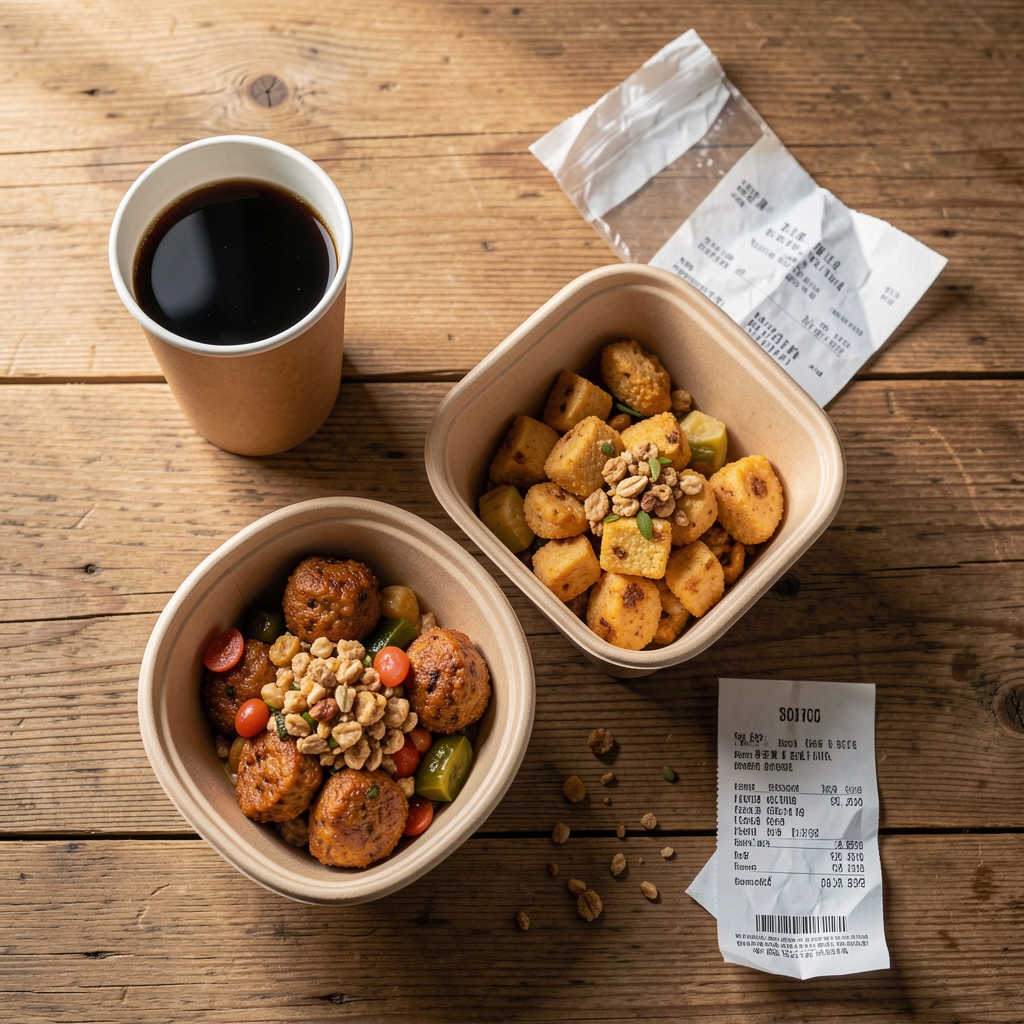
The working week has a particular relationship with food. Not the relationship of pleasure or deliberation, but the relationship of interval and constraint. The lunch break is a slot on a calendar. The meal is selected not from preference but from what can be collected, carried, and consumed within the available time. This is the convenience food situation — a situation, not a character flaw.
I tracked five consecutive working days, recording each lunchtime food choice: what was selected, where it was purchased, how long the eating occasion lasted, and what appetite signals I noticed in the hours that followed. The objective was not evaluation. I was not trying to identify whether the choices were wise. I was trying to understand the conditions under which convenience food becomes the pattern rather than the exception.
Monday's lunch was a chicken wrap from a chain near the office. The choice was made in under ninety seconds — I walked in, identified the wrap as the most efficient option in terms of packaging (one hand, no cutlery required), and paid. The meal was consumed at my desk in eleven minutes. I noted that I was not particularly hungry at the time of eating — I had eaten breakfast — but the twelve-thirty lunch slot was the only one in my schedule, and I ate it on principle, knowing that no further window would appear until mid-evening.
By four o'clock, I was distinctly hungry. Not ravenous — but aware of a low, persistent background note of appetite that did not fully resolve until I ate again at seven. The eleven-minute lunch had been sufficient in terms of volume, but it had not settled in a way that the body appeared to register over time.
Tuesday offered a different choice — a supermarket meal deal — but arrived at through the same logic. The salad box with a small pot of grain and a cold drink was selected because it was ready, near, and required no thought. It took approximately nine minutes to eat at the same desk. The desk had not changed. The screen had not gone dark. The attention was not on the food.
Wednesday introduced what felt like a departure: I chose to eat at the small counter area near the office kitchen rather than at my desk. The food was still a convenience choice — a ready-made soup from the supermarket below the building — but the setting was slightly different. I sat on a stool. There was no screen. The soup required attention because it was hot, and I ate it slowly enough to feel its temperature. The meal lasted nineteen minutes. The mid-afternoon appetite that had accompanied the previous two days was notably less pronounced.
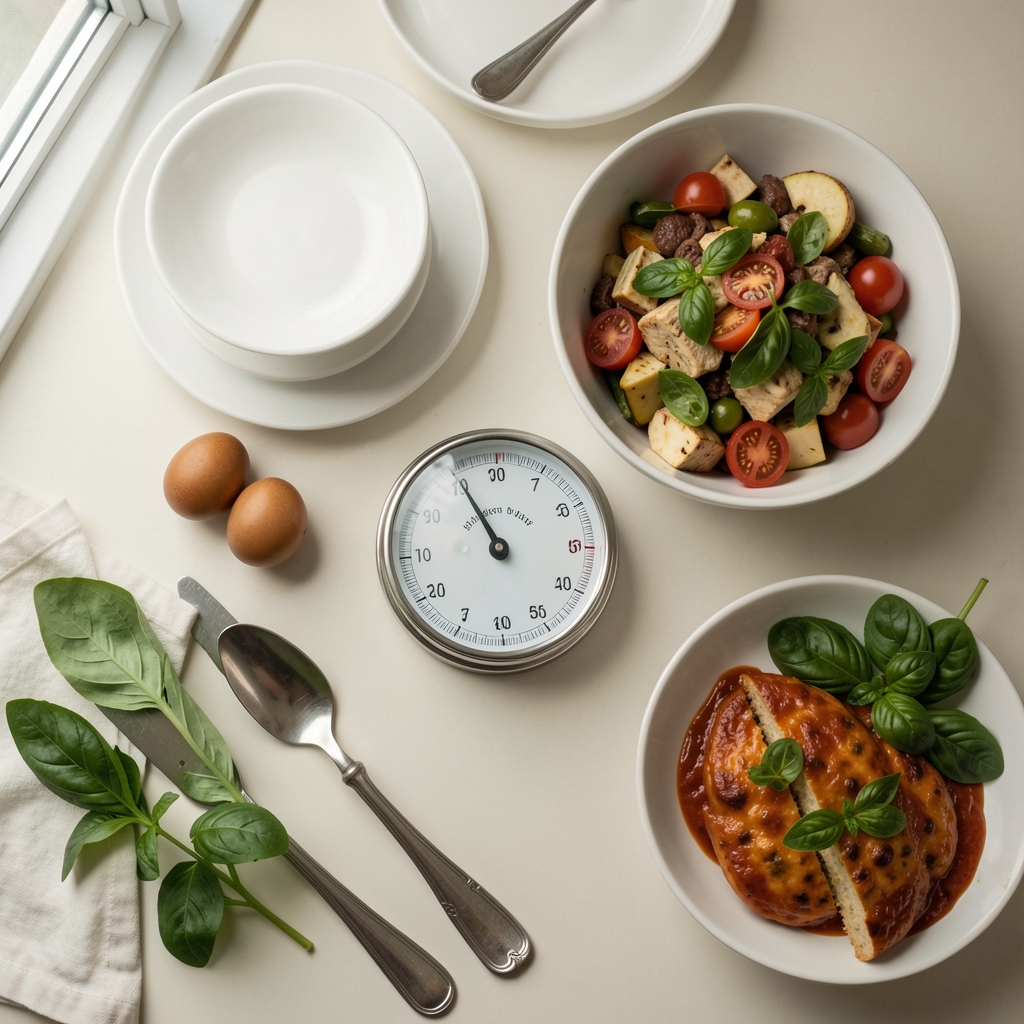
Fig. 1 — Wednesday's counter setting, February 2026
By the end of the week, the five lunches formed a clear pattern. Four out of five were eaten at the desk in under fifteen minutes. One — Wednesday's soup at the counter — lasted nineteen minutes and was associated with a noticeably different post-meal appetite experience. The food itself was not dramatically different in nutritional terms. What differed was the setting, the pace, and the degree of attention brought to the act of eating.
This observation aligns with what published research on eating pace and meal satisfaction has consistently found: the speed of consumption and the attentiveness of the eater are more strongly associated with post-meal appetite awareness than the precise nutritional content of what was eaten. The salad and the soup carried similar caloric profiles. The soup, eaten slowly and attended to, produced a more settled appetite for a longer period afterward.
Convenience food, in the framing of this observation, is not the determining factor. It is the speed and inattention that typically accompany convenience food choices that shape the experience. A convenience food option eaten slowly, at a table, without distraction would likely produce a substantially different outcome. The food and the conditions are usually selected together, which is why the two are so difficult to separate in everyday practice.
"The food and the conditions are usually selected together, which is why the two are so difficult to separate in everyday practice."
Tobias Marsden — Tarnola Journal, February 2026
Thursday returned to the desk. A hot portion of rice from the canteen on the ground floor, eaten while answering correspondence. Fourteen minutes. Friday was similar — a wrap again, consumed while standing at the document printer waiting for a job to complete. Six minutes. The end of the week produced the shortest meal of all five recorded occasions.
Friday afternoon was marked by a heightened awareness of appetite and a series of unplanned small eating occasions — a biscuit at three, a handful of peanuts from a shared office bowl at four thirty. These additions were not planned. They were the response to a lunch that had not registered as fully as might have been expected given its size. Six minutes of eating had passed by before any signal of satiety had the opportunity to register.
This is the pattern. It is not dramatic. It does not present as a crisis. It presents as a biscuit at three o'clock and a handful of peanuts at half past four. Accumulated across a working week, and then a month, and then a year, it becomes the food pace of modern working life — a structure so ordinary that it rarely surfaces as something worth examining.
The five days I tracked were unremarkable. That is precisely the point. The conditions that shaped my food choices each day — the scheduled slot, the limited options within walking distance, the desk as eating surface, the screen as companion — are the conditions experienced by the majority of people who work in office environments across the UK. They are the conditions that produce convenience food habits not because of any particular preference but because of structure.
Understanding this structure does not resolve it. An individual cannot redesign the working week from within. But awareness of the structure is a form of observation worth practising — noting, as I tried to do each day, the conditions in which food choices are made, the pace at which meals proceed, and the appetite experience that follows. The notebook is a small instrument against a large structural pattern. But it is the instrument available.
The piece that follows in this series — on distracted eating and the presence of screens during meals — examines a closely related observation: what happens to appetite awareness when the mealtime is divided between food and another form of engagement. The working week and the screen are, in most people's experience, inseparable. The next article attempts to tease them apart, at least on the page.
Weekly Observations — Five Days

Written by
Tobias Marsden
Tobias Marsden is a contributing writer at Tarnola Journal. He writes on convenience food culture, eating pace in the context of the working week, and the relationship between food choice and daily structure. His observations draw on field notes and published nutritional research.
More from this publication →