Tarnola Journal

— Vol. I, 2026 —

Watching the Rhythm
of the Everyday Meal

An independent editorial on eating pace, convenience food habits, and the quiet patterns of modern mealtimes.

Read the Latest
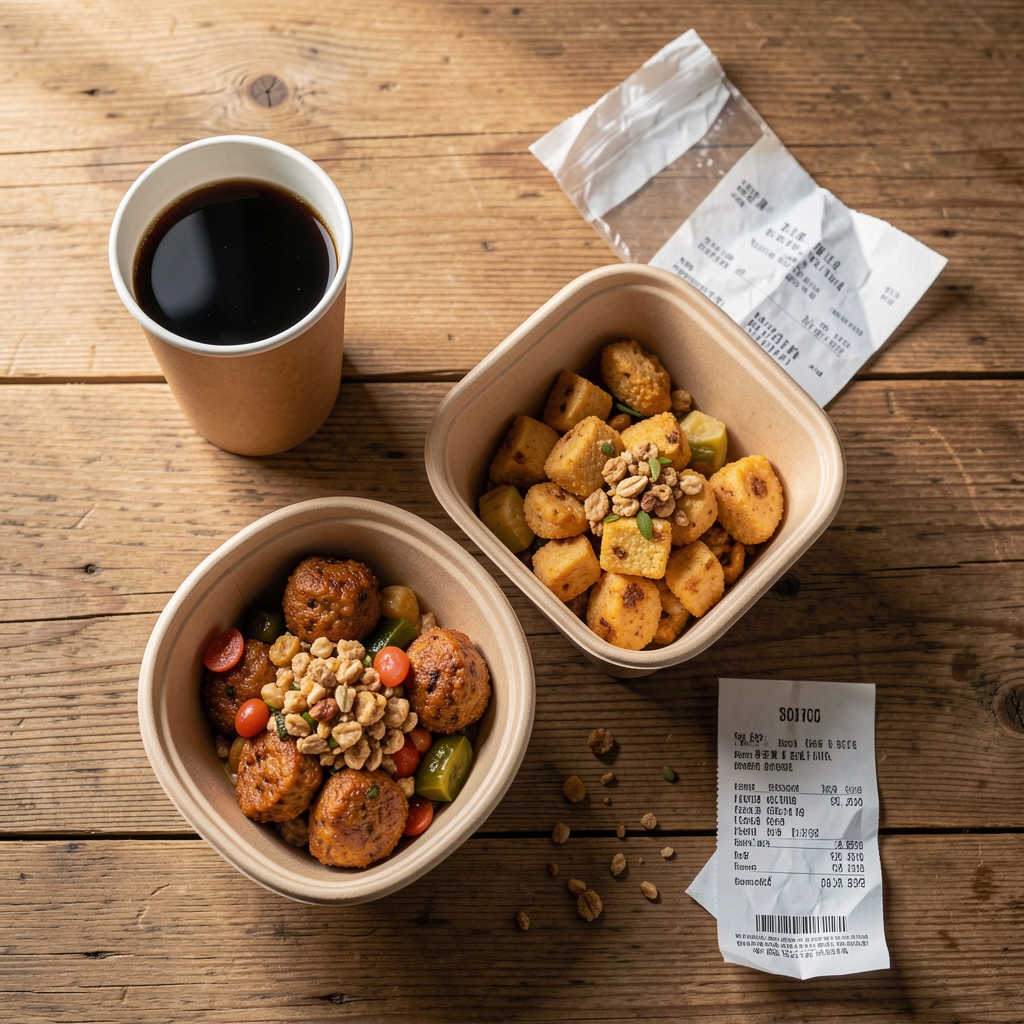
A person sitting at a desk eating a takeaway container while looking at a phone screen, overhead serving showing food, hands, and a scattered notebook
Editorial Image — Vol. I

01

The way a meal is eaten shapes far more than the meal itself.

Tarnola Journal documents the eating rhythms of modern life — the rushed desk lunches, the convenience choices made under time pressure, and the quiet shift in appetite that follows a hurried mealtime. Our writers observe, record, and reflect.

Our editorial approach

02 — Observations

9 min

Average working lunch duration recorded in recent UK food-pace studies.

68%

Of UK adults report eating at least one meal daily while looking at a screen.

20 min

The approximate window between eating and the body registering fullness.

From the Journal

"There is an arithmetic to appetite that the modern pace of eating consistently disrupts. The body has a tempo of its own — one that rarely matches the urgent rhythm of a lunch break."
— Eleanor Whitfield, Tarnola Journal Vol. I

04 — What We Cover

Eating Pace Studies

Field observations on meal duration, rushed eating habits, and the food pace of daily life. How long meals actually take — and what that reveals.

Convenience Food Patterns

A documented look at convenience food choices made under time pressure — what is selected, how it is consumed, and the patterns that emerge across the working week.

Meal Environment

Where and how a meal takes place shapes the experience of eating. Our writers examine the relationship between meal environment, attention, and portion awareness.

05

Common Questions

Exploring the relationship between eating pace and everyday food behaviour — without prescriptions.

Eating pace refers to the speed at which a meal is consumed — how many minutes are spent at the table, how quickly bites follow one another, and how much attention accompanies each mouthful. In practice, it varies considerably between a rushed working lunch and an unhurried evening at home.

The body's signals of fullness travel at a particular speed. When eating outpaces those signals — a common pattern in hurried meals — a person often continues eating beyond the point of satisfaction. This lag is a well-documented feature of rushed eating habits noted across food behaviour research.

Distracted eating describes mealtimes in which attention is directed elsewhere — toward a screen, a phone, a work document, or a conversation. The presence of distraction during eating is associated with reduced awareness of portion size and a diminished sense of meal satisfaction in the time that follows.

The setting in which a meal takes place — a table, a desk, a car, or a sofa — shapes how the meal is experienced. Observations suggest that a dedicated, calm meal environment is associated with a more measured eating pace and greater attentiveness to food. A cluttered or task-laden environment tends toward a faster, less attended meal.

Mindful eating pace refers to a deliberate slowing of the mealtime rhythm — placing attention on each portion, pausing between bites, and attending to the signals of appetite as the meal progresses. It is a practice documented across nutritional observation literature as contributing to greater meal satisfaction and a more consistent awareness of portions consumed.

Tarnola Journal — Est. 2026

An independent voice on how we eat.